Energy Efficiency Concepts and Terminology
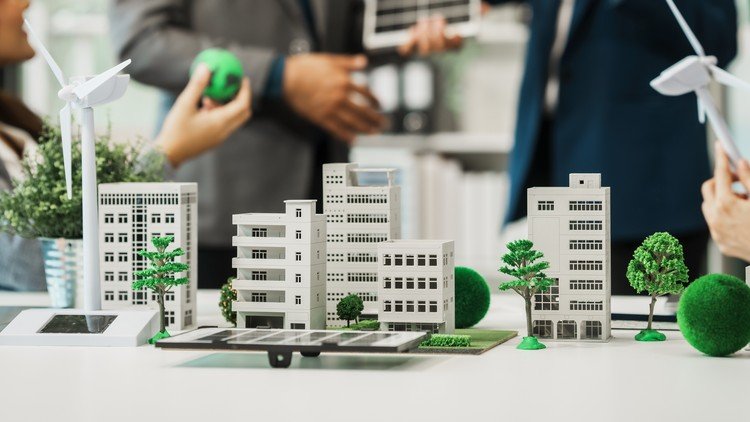
Published 1/2025
MP4 | Video: h264, 1280x720 | Audio: AAC, 44.1 KHz, 2 Ch
Language: English | Duration: 1h 34m | Size: 1 GB
Foundations of Energy Efficiency: Identifying Opportunities, Navigating Challenges and Communicating Benefits.
What you'll learn
Identify key stakeholders in the built environment and understand their roles and responsibilities in driving sustainability.
Understand the unique challenges and opportunities for different building typologies.
Identify major energy-consuming components and prioritise improvement areas.
Understand the importance of metering and monitoring energy use.
Evaluate different levels of metering granularity and their impact on decision-making.
Learn how to structure a robust business case for energy efficiency projects.
Avoid pitfalls that can weaken the case for energy efficiency investments.
Discover strategies for grouping energy efficiency opportunities for better clarity and impact.
Learn key report presentation techniques to effectively communicate energy efficiency benefits.
Understand how rating tools assess energy and sustainability performance
Familiarise yourself with widely used building rating tools, such as NABERS and Green Star. This component is relevant mostly to Australian Audience.
Requirements
A general interest or experience in engineering, facilities management, environmental science or related fields will help learners grasp concepts more effectively.
Basic computer skills, including proficiency in using spreadsheets (e.g. Excel) and the ability to generate and review reports.
Willingness to Learn Sustainability Concepts: An openness to learning about sustainability, energy efficiency and environmental impact as they relate to energy audits.
Description
This course is designed to equip professionals with foundational knowledge and practical tools to promote energy efficiency and sustainability within the built environment. Whether you are new to the field or looking to enhance your understanding, this entry-level course offers a comprehensive introduction to key concepts and practices.Participants will explore a range of topics, beginning with an overview of built environment stakeholders and their roles in driving sustainability initiatives. The course introduces essential concepts and terminology, including building services, energy end-use breakdowns and metering coverage, providing participants with a solid framework for understanding energy consumption and management.A key focus is placed on tailoring energy efficiency strategies to different building types, addressing the unique challenges and opportunities in commercial, hospitality, retail and industrial settings. Participants will also be introduced to widely used building rating tools in Australia, such as NABERS and Green Star, offering a practical approach to assessing and benchmarking sustainability performance.One of the course’s highlights is its emphasis on creating compelling energy efficiency business cases. Participants will learn how to structure and present energy efficiency findings, avoid common pitfalls, group opportunities for greater impact and use effective visual report presentation techniques to engage stakeholders and secure buy-in
Who this course is for
This course is designed for professionals and newcomers alike who are interested in understanding the fundamentals of energy audits and how they can be applied to drive efficiency and sustainability.
It is ideal for facility managers, engineers, sustainability coordinators, environmental consultants and anyone looking to expand their knowledge of energy management.
Quick check before we show the links
Helps us keep automated scrapers from hammering the filehosts.