Sacral Geographies: Saints, Shrines and Territory in Medieval Ireland
2011 | ISBN: 9782503527673 | English | 280 pages | PDF | 42 MB
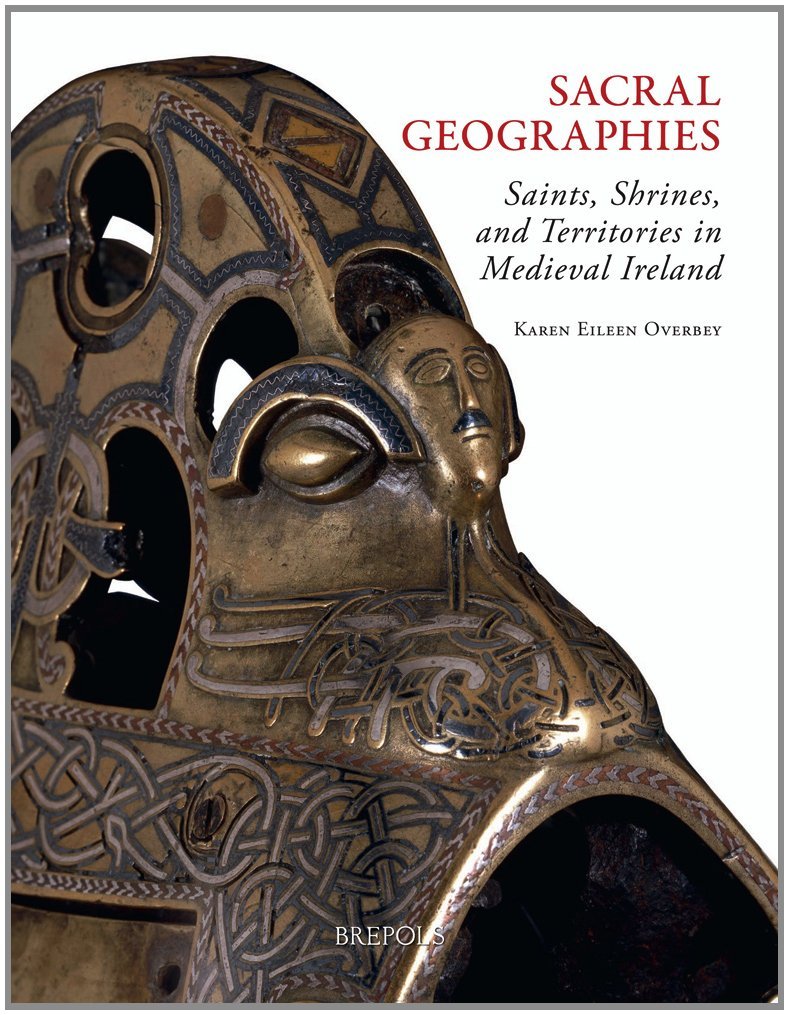
More than merely containers for holy bodies and objects, reliquaries powerfully mediated the experience of the sacred for their medieval audiences: they presented beautiful, glorified visions of the relics inside, and allowed devotees proximity to sacred space. The forms of reliquaries - from small enameled boxes to elaborately decorated shrines in the shapes of body parts - created identities and histories around holy objects. In medieval Ireland, it was often associative rather than corporeal relics that were enshrined: bells, books, staffs, and even pieces of clothing worn by holy men and women. These objects were the paraphernalia of Irish monasticism, and were carried in liturgical ceremonies, processions, and communal rituals. As enshrined relics, they became signifiers of ecclesiastical identity and authority, and located holy space within social space. Reliquaries such as the Domnach Airgid book shrine, the Shrine of St. Culan's Bell, and St. Manchán's Shrine were portable, and their meaning was constituted in movement. The patrons of reliquaries, usually prominent secular rulers or Church leaders, employed performance, ritual, and narrative (both visual and textual) to reinforce the efficacy of relics and consequently, to authorize political relationships. The space of the holy body functioned as a foundation for the social geographies of early Ireland.
Quick check before we show the links
Helps us keep automated scrapers from hammering the filehosts.