Emotional Design: Why We Love (or Hate) Everyday Things
This post was published 6 years ago. Download links are most likely obsolete. If that's the case, try asking the uploader to re-upload.
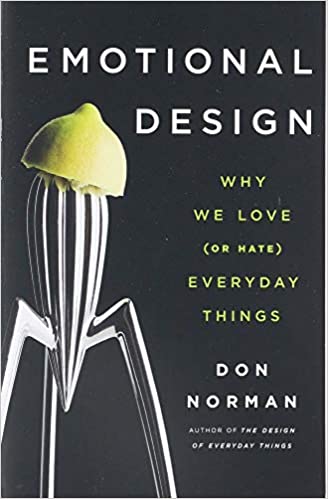
English | May 11, 2005 | ISBN-10: 0465051367 | 268 Pages | PDF | 13.79 MB
Why attractive things work better and other crucial insights into human-centered design
Emotions are inseparable from how we humans think, choose, and act. In Emotional Design, cognitive scientist Don Norman shows how the principles of human psychology apply to the invention and design of new technologies and products. In The Design of Everyday Things, Norman made the definitive case for human-centered design, showing that good design demanded that the user's must take precedence over a designer's aesthetic if anything, from light switches to airplanes, was going to work as the user needed. In this book, he takes his thinking several steps farther, showing that successful design must incorporate not just what users need, but must address our minds by attending to our visceral reactions, to our behavioral choices, and to the stories we want the things in our lives to tell others about ourselves. Good human-centered design isn't just about making effective tools that are straightforward to use; it's about making affective tools that mesh well with our emotions and help us express our identities and support our social lives. From roller coasters to robots, sports cars to smart phones, attractive things work better. Whether designer or consumer, user or inventor, this book is the definitive guide to making Norman's insights work for you.
Quick check before we show the links
Helps us keep automated scrapers from hammering the filehosts.